
New Economies
SPACE MINING
Earth’s greatest disadvantage in accessing space is not distance—it is gravity.
Escaping Escaping Earth’s gravity well requires enormous amounts of energy. Reaching low Earth orbit requires approximately 9.4–10 km/s of total Δv, with orbital velocity at roughly 7.8 km/s. As a result, every kilogram launched from Earth carries a significant energy, infrastructure, and cost penalty.
To unlock the full potential of the space economy, we must progressively shift from launching resources into space to sourcing resources in space.
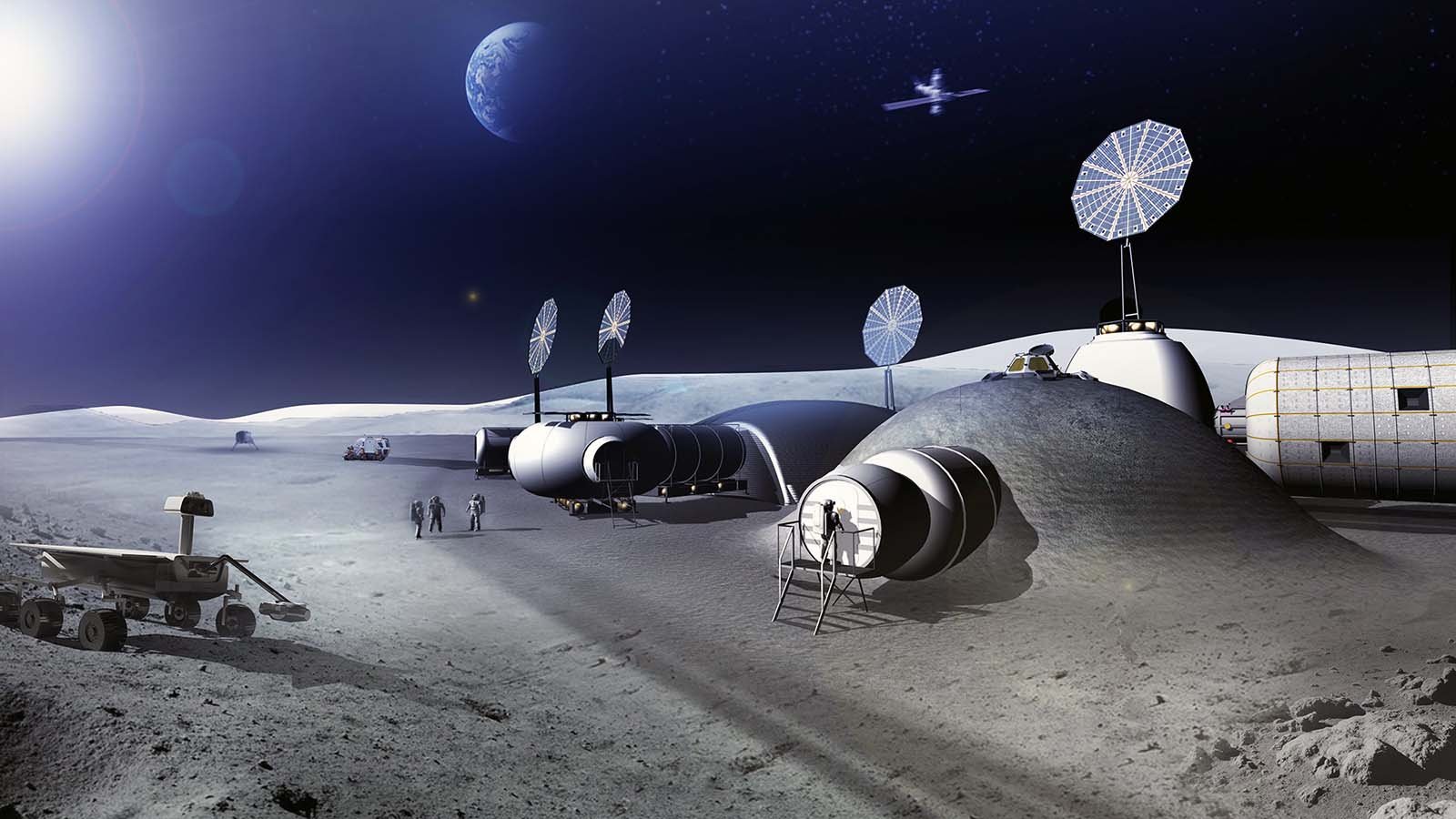
Space mining is foundational to a sustainable, self-sufficient space economy. It can provide the raw materials required to build infrastructure, manufacture products, generate propellant, support human habitation and enable continued expansion beyond Earth—transforming space from a destination that we visit into an economically productive environment that supplies and sustains
Space is Resource Rich. Why then can't we extract from Space ?
Space is Resource Rich. Why then can't we extract from Space ?
Our Approach
-

We plan
Our paths are realistic
-

We collaborate
Our capabilities compound
-

We adapt
Every project is different. We stay flexible and responsive
-

We deliver
With confidence
SPACE TOURISM
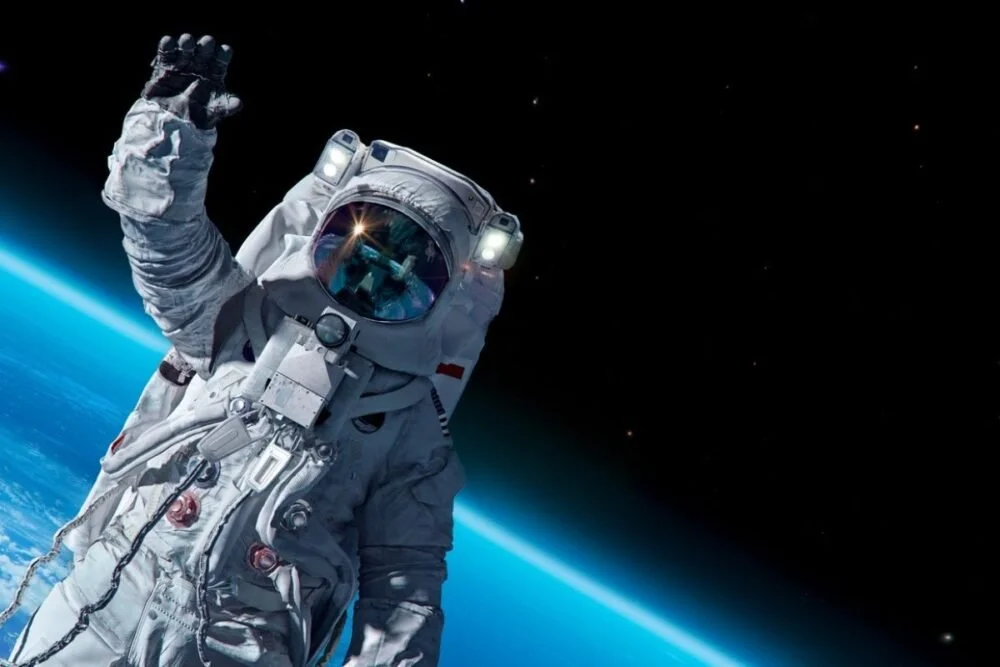
The tourism industry exists to deliver experiences that are rare, unforgettable and impossible to replicate. From polar expeditions across Antarctica and the Arctic, to the depths of the oceans, through remote jungles and across the world’s highest peaks, from remote wilderness and luxury safaris to secluded island retreats, tourism has continually pushed the boundaries of human exploration.
As Earth becomes increasingly accessible and familiar, the next frontier of exploration and experience lies beyond it—Space.
We are positioning to help drive the emergence of a new era of space tourism, making access to space more accessible and enabling ordinary people to experience the extraordinary: to see Earth from space, experience microgravity, explore new environments and participate in humanity’s expansion beyond our planet.
We believe human familiarity with space is not simply an outcome of the space economy—it is a driver of it. As more people experience space, awareness, engagement and demand for space-based products, services and infrastructure will grow.
Space tourism holds its own right. It will create the public interest, commercial demand, capital, talent and economic activity required to accelerate the development of the broader space economy.
Space Medicine & Extraterrestrial Life Sciences
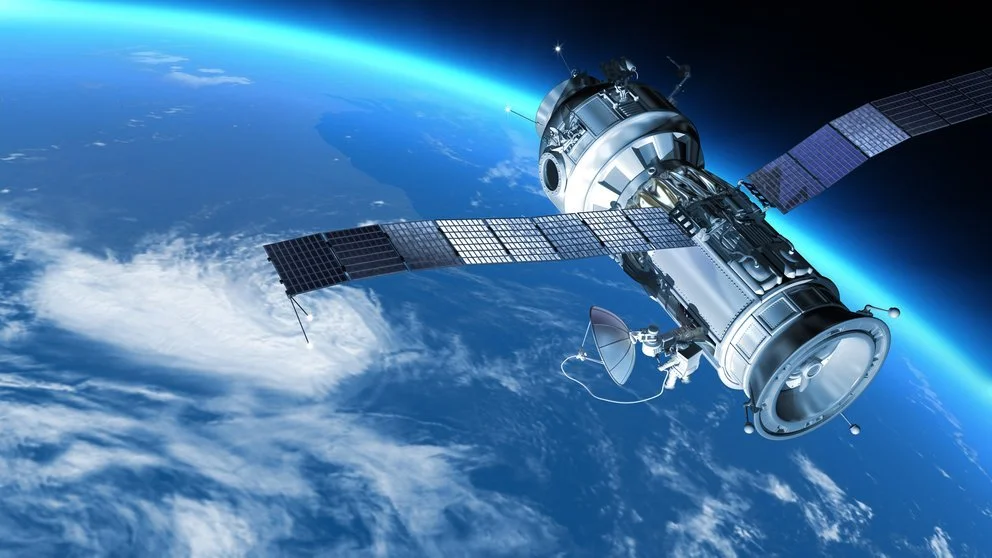
We are at the forefront of enabling humans to live, work and remain healthy beyond Earth.
The extreme conditions of space—including microgravity, radiation, isolation, confinement and limited access to medical resources—create challenges that demand accelerated research, technology development and translation across human health and performance.
Our focus spans space medicine, biomedical research, human performance, life-support systems, health monitoring, in-space healthcare, remote and autonomous medical systems, and advanced medical technologies designed for space environments.
These capabilities are essential not only for keeping astronauts safe, but for enabling long-duration missions, permanent human presence and ultimately human life beyond Earth.
At the same time, the unique conditions of space provide an unprecedented environment for scientific discovery, allowing us to study human biology, disease, ageing, physiology and life itself in ways that cannot be replicated on Earth.
Space Medicine & Extraterrestrial Life Sciences are therefore foundational to humanity’s ability to survive, adapt and thrive beyond Earth.
Space Architecture
Humanity cannot occupy space without creating places for people to live, work, move, produce, rest and thrive.
Space architecture is the discipline of designing the built environment beyond Earth—integrating architecture, engineering, human factors, life-support systems, materials, robotics and environmental control to create habitats and infrastructure capable of supporting human activity in extreme environments.
Our focus extends from orbital habitats, lunar and planetary bases, space stations and research facilities to industrial platforms, transportation hubs, commercial destinations and eventually permanent settlements.
Unlike terrestrial architecture, space architecture must address fundamental constraints including vacuum, radiation, microgravity, extreme temperatures, limited resources, closed-loop life-support, launch mass and autonomous construction. Every structure must be engineered not simply to shelter humans, but to sustain them.
We see space architecture as a foundational component of humanity’s expansion beyond Earth—transforming hostile environments into functional, habitable and economically productive places
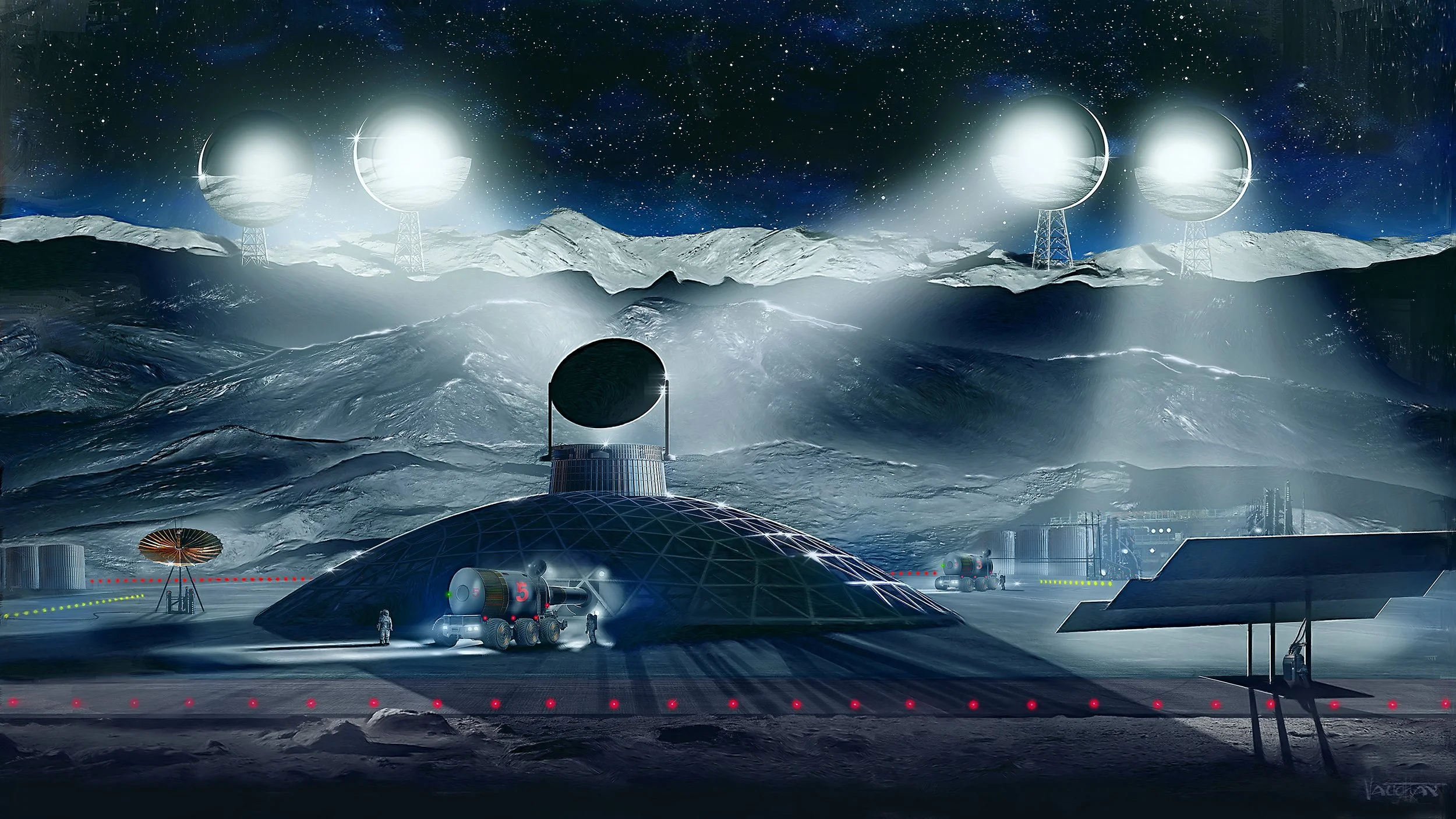
The future of space is not simply about reaching new worlds. It is about building the places that allow us to stay.